Showing posts with label Quinoa. Show all posts

Sunday, November 15, 2015

5 Carbs That Can Actually Help You Lose Weight


Just like all fats were demonized as "bad" for you back in the '90s, carbs have become the food to fear.
But not all carbs are bad, in fact, they're a very important part of a healthy diet.
Good carbs offer a ton of health benefits. By choosing carbohydrates that are packed with fiber, they're more slowly absorbed into the system, which helps prevent spikes in blood sugar levels.
It's the refined and processed carbs that are unhealthy - things like junk food and refined grains such as white bread, muffins and hamburger buns.
That's because during the refining process, these grains are stripped of fiber, B-vitamins and certain minerals. They also have a high glycemic index, which means they negatively affect blood sugar levels.
Just a few other examples of "bad" carbs include cakes, pastries, chips, soda and most packaged baked goods. Those types of foods offer little in the way of nutrients, yet they generally contain a high amount of calories.
Eating them can cause a drop in blood sugar which affects an area of the brain that controls impulse - and that can lead to a loss of self-control, including cravings for unhealthy, high-calorie foods.
These 6 high carb foods, on the other hand, are good for you!
They have virtually the opposite effect, providing a variety of essential vitamins, minerals, phytonutrients and fiber that can help promote good health, support increased energy and even fat loss.
1. Sweet potatoes
Sweet potatoes are not only delicious, they're filled with feel-good vitamins like B6 and also a rich source of vitamins A, C, D, iron and magnesium, known as the relaxation and anti-stress mineral.
Magnesium is essential for healthy nerve function, muscle, heart, bone, blood and more.
This nutritious tuber is packed with antioxidants which can help to reduce oxidative damage as well as lessen the risk of a number of diseases.
2. Blueberries
Blueberries are a great way to satisfy a sweet tooth while enjoying a ton of health - and even weight-loss benefits.
That's because this juicy fruit contains catechins that are believed to activate the fat-burning gene in belly-fat cells - a study out of Tufts University found that those who regularly consumed catechins were able to increase fat loss in the abdominal area by 77%.
Often referred to as a "superfood," blueberries also contain a large amount of many different vitamins and minerals, like vitamin C, vitamin K and manganese.
3. Quinoa
Quinoa is an ancient grain that offers multiple health benefits.
Originally, it was roasted and made into flour that served as a basis for traditional types of bread, but these days, the sky is practically the limit when it comes to all of its different uses.
It can be made into pasta, added to soups, used in salads and more.
It's an excellent alternative to wheat for those on a gluten-free diet as quinoa is naturally gluten-free too.
Quinoa is rich in fiber and contains all eight essential amino acids - very unique in plant-based proteins. Being high in fiber and protein means that it can also help keep you feeling fuller longer, ultimately supporting weight-loss efforts.
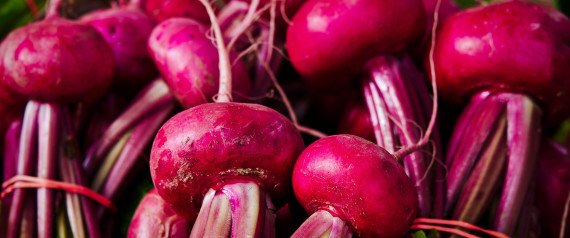
4. Beets
If you want to increase your energy levels or improve endurance before a workout, try adding beets to your diet.
This powerful superfood can be sliced thin for salads or cooked, and they're also easy to juice.
Beets are filled with important vitamins, minerals, antioxidants and plant compounds as well as being high in inorganic nitrates. The body converts these nitrates into nitric oxide which aids blood flow and the delivery of oxygen to the muscles.
Not only does nitric oxide help to lower blood pressure and possibly decrease the risk of a number of diseases, it also helps you work harder with less effort.
5. Apples
You know what they say, "An apple a day..."
Well, apples, particularly Granny Smith apples, according to a study out of Washington State University, are not only good for your health, they contain non-digestible compounds, including fiber and polyphenols that promote an increase of good bacteria in the gut and can help you lose weight.
As chronic inflammation has been linked to an increased risk of obesity, restoring microbial balance helps to reduce inflammation as well as boost the feeling of fullness.
Apples have also been shown to help reduce the risk of heart disease, improve blood sugar control and may lessen the risk of some types of cancer too.
Tuesday, October 27, 2015

13 Fat Releasing Foods to Lose Weight Fast

Liz Vaccariello, author of The Digest Diet, explains how you can lose weight fast by eating foods you already shop for, as certain foods, actions, and activities can gently shift your body into fat release mode.

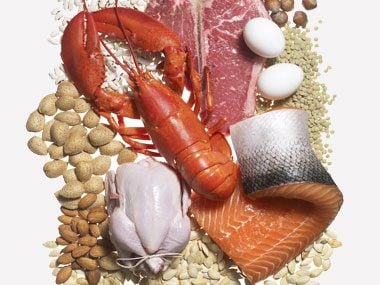
1. Protein


I’m fond of this macronutrient powerhouse for so many reasons: It promotes healthy skin, hair, nails, bones, and muscle. It’s also a fabulous weight-loss aid, according to a 2005 study from Arizona State University. Protein increased satiety (satisfaction and feelings of fullness) and increased after-meal calorie burn. In other words, eating protein-rich meals, rather than higher-carbohydrate ones, leads to more satisfaction, less hunger, and more fat burn. I love that: three benefits in one. Earlier research also found that people following higher-protein diets generally decrease their food intake by an average of 10 percent (about 200 calories). 

Learn more about The Digest Diet Â»

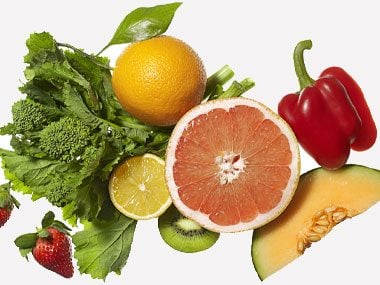
2. Vitamin C


You’ve heard for years to stock up on your C to fend off colds, but are you aware of the vitamin’s reputation as a weight-loss aid? Research suggests that the bodies of folks who are deficient in vitamin C cling more stubbornly to fat. In 2008, researchers in Quebec reviewed a stack of studies to find what they called “unsuspected determinants of obesity.” 

Their review linked less-than-ideal intakes of particular micronutrients to an increased likelihood of being overweight. They identified deficiencies in vitamin C, zinc, magnesium, and vitamin E as risk factors for having a higher percentage of body fat and belly fat. 

Learn more about The Digest Diet Â»

3. Honey


This natural sweetener has also shown great promise in animal studies for reducing weight gain and body fat when substituted for sugar. Known to have antibacterial, antiviral, and antifungal properties, honey boasts wide-ranging health benefits. It may improve blood sugar control and immunity, and it’s an effective cough suppressant.

Learn more about The Digest Diet Â»

4. Cocoa


If you’re like me, you welcome any new excuse to add more chocolate to your life. Cocoa contains more phenolic antioxidants than most foods. Just look at this list of benefits from a recent study done at the Yale-Griffin Prevention Research Center by David L. Katz, MD, and his colleagues: “Cocoa can protect nerves from injury and inflammation, protect the skin from oxidative damage from UV radiation … and have beneficial effects on satiety, cognitive function, and mood.” 

Learn more about The Digest Diet Â»

5. Vinegar


The surprise here? The vinegar that comes along for the ride in salad dressing also helps you feel full. Research has shown that vinegar can lessen the glycemic effect of a meal (meaning it tends not to spike your blood sugar), which has been linked to satiety that reduces food intake. Vinegar may also prevent body-fat accumulation, according to a 2009 animal study by Japanese researchers. Mice that were fed acetic acid, the main component of vinegar, for six weeks accumulated less body fat. 

Learn more about The Digest Diet Â»

6. Fiber


Throughout the years, various weight-loss researchers have recommended starting a meal with a salad to stave off hunger and ensure that you don’t overeat. But why does this work exactly? One reason is that salads are a great source of fiber: lettuce greens, carrots, tomatoes, and the like all have plenty of this macronutrient. Fiber’s effects on increasing feelings of satiety are well documented. 

Whether you eat fiber and vinegar together or not, know that they are great tools to have on hand whenever you feel the need to tame your appetite and turn on fat burning controls. If you’re not a fan of salad, there are plenty of other sources.

Learn more about The Digest Diet Â»

7. Coconut Oil, 8. PUFAs, and 9. MUFAs


Coconut Oil
While The Digest Diet recommends keeping saturated fat intake to under 10 percent of total calories, one source sits at the top of the “should enjoy” list: coconut oil. 

Why? This sweet, rich oil was shown to do some pretty nifty things for abdominally obese women in a 2009 study out of Brazil, including decreasing their waist circumference, increasing beneficial HDL (high-density lipoprotein) cholesterol and improving the ratio of “bad” LDL (low-density lipoprotein) to “good” HDL cholesterol. And in populations where coconut oil is commonly eaten, high cholesterol levels and heart disease are not common. 

MUFAs
In 2006, I uncovered exciting research suggesting that monounsaturated fatty acids, or MUFAs, helped people store less belly fat. Eating a diet rich in olives, olive oil, nuts and seeds, dark chocolate, and avocado has kept my belly lean and my energy up for years! These healthy fats are a mainstay of my diet. 

PUFAs
During my dive into the current research, I came across a small study from the Netherlands that suggests we should also enjoy polyunsaturated fatty acids, or PUFAs, found in fish and in many nuts and seeds. In this study, consumption of a high ratio of PUFAs to saturated fats led to a higher resting metabolism, as well as a greater diet-induced calorie burn. 

But one clarification: Our focus will be primarily on long-chain n-3 PUFAs, commonly known as omega-3s. Researchers theorize that the weight-loss benefits of omega-3s may be a result of their anti-inflammatory effects (inflammation in the body has been strongly linked to obesity). I also love the fact that these healthy fats are associated with protection from cardiovascular disease and enhanced mood.

Learn more about The Digest Diet Â»

10. Resveratrol


So many people have asked me if it’s OK to have a drink when trying to lose weight. Listen up, friends, as this glass is for you!  

Many studies show that a small glass of wine a day is good for your health. Researchers credit the anti­aging properties of resveratrol (found in red grapes, mulberries, and peanuts) in red wine. Now cutting-edge research suggests this antioxidant is a fat releaser too.  

In one large study of more than 19,000 women of normal weight, light to moderate drinkers had less weight gain and less risk of becoming overweight than those who drank no alcohol. In several animal studies, researchers have demonstrated that moderate alcohol consumption does not promote weight gain. 

And in another separate animal study done in 2006, researchers found that resveratrol improved exercise endurance as well as protected against obesity and insulin resistance, a precursor to diabetes.

11. Calcium and 12. Dairy


Calcium
Your mom told you to drink your milk because its calcium was good for your bones. What she probably didn’t know: That same calcium also helps control your hunger. Research shows that people who don’t consume enough of this bone-building mineral have a greater fat mass and less control of their appetite—two things The Digest Diet can help you reverse.

Dairy
Yes, dairy is an excellent source of calcium, but I’ve singled it out because studies have found that dairy sources of calcium are markedly more effective in accelerating fat loss than other sources. Researchers theorize that other ingredients in dairy act synergistically with the calcium. (I love the two-for-one nature of this fat releaser!)

In one study out of the University of Tennessee, researchers showed that eating three servings of dairy daily significantly reduced body fat in obese subjects. And if subjects restricted calories while consuming the same dairy servings, fat and weight loss accelerated. 

There’s more! A great study done in 2010 indicated that drinking fat-free milk immediately after whole-body resistance training and again one hour after the workout allowed participants to increase fat loss, gain greater muscle and strength, and strengthen bones by reducing bone cell turnover. Drink milk and get all these amazing benefits? Sign me up!

Learn more about The Digest Diet Â»

13. Quinoa


I’m keen on quinoa for many reasons: This ancient grain is a nutritional powerhouse, chock-full of protein, amino acids, phytosterols, and vitamin E. A study published in 2011 points to its promise as a fat inhibitor. Animals fed supplements containing a quinoa-seed extract had less body fat, lower body weight, and decreased appetite. Also, quinoa is versatile and can be made into crackers, side dishes, and hot cereals.

Learn more about The Digest Diet Â»