Showing posts with label Weight Loss. Show all posts

Saturday, November 7, 2015

Weight loss: Why exercise is not helping


When Lily Akidi, 35, set out to lose weight two years ago, she swore that it would be the last weight loss programme she went on. After years of on and off diets, she started to run thrice a week in 2013 at the advice of a colleague. She was 80kg at the time. “Dieting was another issue, though. When it comes to food, I cannot control myself.”
As a compromise, she chose to eat one heavy meal a day – in the evening, after her run. Within six months, she had lost 20kgs.
“I was so lean and light that I changed my wardrobe. I cut back on my running to three times in two weeks and ate anything I wanted. I think that was the worst mistake I made.”
Within one year, the weight had come back. But she knew the trick – all she had to do was run and skip meals, right? Well, her body is having none of it, this time round.
For the last six months, no amount of exercise has helped her go below 79kgs on the scale. In fact, in the last two weeks, she hit the 82kg mark.
Why you retain the weight
Dorothy Namayanja, a nutritionistal consultant with International Baby Food Action Network Uganda (IBFAN) and the Aga Khan Hospital, gives the following insights;
Skipping meals
Long periods without eating are disastrous because whenever you get a chance to eat, you overeat in compensation. It drives the body into starvation mode, where it holds onto the fat to sustain it, instead of burning it up.
Letting your guard down
Besides binge eating, when people lose weight, they gravitate towards unhealthy foods with high calories, because they imagine they cannot gain the weight back.
Some even reduce their level of activity when they start to work out spending the whole day sitting at their computers after a morning workout, or slumping in the sofa or straight to sleep after an evening jog.
Post workout hunger 
A hard sweaty session burns up calories and raises metabolism, making you hungry. Psychologically, your brain tells you that you need to reward yourself with a large meal.
Most people tend to eat and drink sugary foodstuffs that contain simple carbohydrates to regain lost energy. Unfortunately, although these foods quickly re-energise the body, they also replace the calories that were burned during the workout, or can increase one’s weight.
Simple carbohydrates, although the quickest source of energy, should be avoided. They include sugar, honey, soft drinks such as soda, white rice, white bread, and pastries.
Lifestyle choices
A sedentary lifestyle does not help weight loss. If you are in the office for eight hours, drive to the gym and exercise for one and a half hours then drive back home and sleep for another eight hours, your workout is not beneficial.
It is like the typical rugby player who expends a lot of energy on the field, only to relax with beer and pork after a game. That is their lifestyle and that is why many players are actually overweight.
The science of weight loss
Wilbroad Makumbi, a physiotherapist with Federation of Uganda Basketball Association (FUBA) teams, explains;
“Someone can exercise for months without losing a single kilogramme because they do not reach the optimal point where their body begins to burn fat.
Physical exercises, performed for certain duration, per session, activate the body system to burn fat. However, some people stop the exercise just before they reach that point.
This way, the exercise only works to manage the weight; good for maintaining functionality of the heart and lungs, but absolutely does nothing for weight loss.
Exercises have to take place over a moderate to longer period of time, for example, jogging at a moderate speed for a longer period of time. Unfortunately, people do not have the time and patience to work out for longer periods.
“Weight loss programmes need to be specific to the body type. If you want to lose weight, engage in moderate exercise for at least an hour, five times a week, eat fruit afterwards, and plenty of water to rehydrate the water,” advises Mayanja.
Monday, October 26, 2015

Top 5 diets for weight loss in 2015

Sticking with your weight-loss resolutions this New Year may be a little easier if you choose a diet that best fits your lifestyle.

U.S. News and World Report is out with its annual list of the best diet options. The magazine consulted with a panel of health experts and ranked 35 diets according to a few guidelines: the diet has to be relatively easy to follow, nutritious, safe, effective for weight loss and protective against diabetes and heart disease.
Here's U.S. News' ranking of the top five diets for weight loss, when dropping pounds quickly and keeping them off are your primary goals:

1. Weight Watchers. This diet received 3.8 out of 5 stars from the panel of experts for weight loss. Weight Watchers' claim is that you can drop up to two pounds a week using their PointsPlus program and group support. This isn't about counting calories; the key to losing pounds on this diet is choosing nutritionally dense foods that have a healthy ratio of fiber, fat, protein and carbohydrates. Fresh fruits and vegetables are highly encouraged and carry zero points, so people can eat their fill of these foods. Candy bars and processed foods are higher in points and allowed in smaller portions. Experts like this diet's effectiveness over the long term. In an analysis of more than 600 Weight Watchers participants, researchers found that nearly 60 percent stayed within 5 pounds of their goal weight one year after completing the program, according to a study published in the British Journal of Nutrition in 2008. Another study showed that the more Weight Watchers dieters used the program's various support tools-- including meetings, a cellphone app and online tools -- the more weight they lost.

2. HMR Diet. The Health Management Resources program is more than just a diet, it's a lifestyle. The theory: reducing caloric intake and increasing physical activity and personal accountability will help people lose weight and keep it off. This program is divided into two phases. Phase One, the Quick Start phase, lasts about three weeks and is intended to jump-start weight loss with meal replacements including low-calorie shakes, meals, nutrition bars and multigrain hot cereal that the program delivers right to your door. Once reaching their goal weight, dieters move on to Phase Two. This is the maintenance phase in which a person begins to incorporate other healthy food options into their HMR meal replacements. Phase Two also focuses on more lifestyle changes and includes weekly telephone coaching sessions with dietitians and exercise physiologists. The biggest plus of this diet: convenience. HMR meal replacements save a lot of time at the supermarket.

3 (tie). The Biggest Loser Diet. Based on a series of books and inspired by success stories from the popular television series, this diet introduces six weeks of healthy food and regular exercise to promote weight loss and help prevent disease. The basics: eat lots of fruits and veggies, choose lean protein sources over red meat, keep a food journal, and get some exercise. This diet doesn't ban any food groups and should be relatively easy to stick to long-term, say experts. And, unlike contestants on the TV show, you won't have to follow a grueling exercise regimen. People who choose this diet and lifestyle are encouraged to get at least two and a half hours of moderate-intensity activity a week (like walking or jogging), along with a couple of days of muscle-strengthening activities.

4 (tie). Jenny Craig Diet. Much like Weight Watchers, the Jenny Craig Diet claims devotees will drop up to two pounds each week by following a restricted calorie diet. Prepackaged meals limit calories, fat and portions and let you satisfy your sweet tooth without worrying about overindulging. This plan also includes weekly supportive counseling sessions to help members through their weight loss journeys right from the start. So, if you're a person that wants convenience and needs to be held accountable, Jenny Craig could be a good bet. One downside with prepackaged meals: dining out can be tricky. While Jenny allows for an occasional restaurant meal, dieters need to be aware of dining out tips and be able to self-regulate.

5 (tie). The Raw Food Diet. This trendy diet attracts people who are looking to shed some pounds, improve their health and support the environment. This program relies heavily on fruits and veggies and completely eliminates any food that has been cooked, processed, microwaved, irradiated, genetically engineered or exposed to pesticides or herbicides. Experts say this plan nearly guarantees weight loss because most who follow it consume only half the calories they would eat on a diet that included cooked and processed foods. Downsides of this plan: it can be expensive, time consuming and limiting. To make a variety of raw food recipes, dieters are encouraged to purchases a juicer, dehydrator and a blender. Purchasing and preparing raw foods can take a lot of time and most restaurants don't offer many options for raw foodists.

Monday, October 19, 2015

Is Your Job Making You Fat? 3 Tips to Stay Healthy at Work

 
Are you finding there's a little more of you to love lately?

If you're a little heftier than you used to be, the real culprit might be stress.

Stress can lower your metabolism; it also causes you to increase your consumption. Mindless eating is a mainstay in many offices. If you've ever been held captive in cubicle city, you know sometimes, donuts are the only way to stay sane. Those who work in home offices, as I often do, feel the siren call of the fridge when you're on a deadline
.
If I were to graph my own expanding and contracting waistline over the years, the lumps and bumps would directly correlate to the stressed-out, over-worked phases of my life.

It's not just stress-eating that causes you to gain weight; it's lack of time and sleep. When you're sleep deprived, you instinctively reach for high fat and high sugar foods, as an immediate energy source. It works temporarily, but you find yourself crashing at the end of the day too tired for that afternoon walk. When you're short of time, you grab whatever is available, which generally is not arugula and lean chicken.
During times of high work demands, health often falls by the wayside. Yet as I've aged, I realize, times of high work demands require more fitness rather than less. Here are three ways, I've found to work good health into my schedule:

1. Do a walk/talk 

 
If you have frequent phone meetings, pick one where no notes are required, grab your headset and head for the door. I walk my neighborhood, my sister who works in an office, does the stairs (she's younger and in better shape).
I find this is best for creative brainstorm conversations with someone you know well. I have a few colleagues who've joined me on this program, we schedule a walk, talk for our creative conversations. You get a little background noise, and you might have to stop to jot a note. But brain science tells us when you're walking, you ignite different parts of your brain, you're more creative. Three 30 - minute walk/talks a week make a huge difference in your stamina.

2. Order water before alcohol 

 
I confess, I can't refuse a free drink. Whether it's the flight lounge or a champagne cocktail on check in, I never refuse. But I came to realize that taking that first drink often results in drinking alcohol when you're thirsty. Now whenever someone offers me a drink, I ask for a big glass of water first. You find yourself sipping your cocktail, rather than glugging it. And on rare occasions, I sometimes even pass on the alcohol.

3. Mindfully eat lunch

Turn your keyboard upside down; if a bunch of crumbs falls out, you're eating too many meals at your desk. I used to be guilty of this one, I'd be working on something with a sandwich beside me; suddenly the sandwich was gone and I didn't even remember eating it. Now I schedule at least 20 minutes for lunch. It's not as good as an hour's walk. But when I practice mindful eating, focusing on what my food tastes like, I eat less and enjoy more.
It's hard to work a high stress job and still be healthy. But it's not impossible.

Source By:  http://www.huffingtonpost.com/lisa-earle-mcleod/job-making-you-fat_b_8280756.html


15 Teeny Tiny Changes To Lose Weight Faster

Quadruple your weight loss by making one easy tweak to your routine per week


Easy ways to boost weight loss

If your goal is to lose weight and exercise more, forget the deprivation diet and marathon workouts. Research shows that taking baby steps—not giant leaps—is the best way to get lasting results. (Looking to conquer your weight issues? Prevention has smart answers—get a FREE trial + 12 FREE gifts.)

A study published in the Annals of Behavioral Medicine found that participants who made one small, potentially permanent change in their food choices and/or physical activity each week (such as drinking one fewer can of soda or walking 5 more minutes each day) lost more than twice as much belly fat, 2½ more inches off their waistlines, and about 4 times more weight during a 4-month program, compared with those who followed traditional calorie-restriction and physical-activity guidelines.

"When you focus on just a couple of small changes at a time, you begin to ingrain some healthy habits that last for a lifetime, rather than trying an all-or-nothing approach that more often than not fails because it's too hard to follow," says Lesley Lutes, PhD, an assistant professor in the department of psychology at East Carolina University.

We've uncovered 15 simple steps (with proven results) to help you move more, eat less, and look and feel better than ever. Add just one or two a week to your regular routine and you can lose nearly 3 inches off your waistline and be about 10 pounds lighter in a few months. Even better: Once these healthy habits become second nature, they'll benefit you for a lifetime.


Wednesday, October 7, 2015

Unexplained Weight Loss


Unexplained weight loss is the term used to describe a decrease in body weight that occurs unintentionally and can be a warning sign of diabetes.

The amount you weigh is determined by a number of factors including age, your calorie intake and overall health.

Once you reach middle adulthood, your weight should remain relatively stable from year to year.

Losing or gaining a few pounds here and there is normal, but unexplained weight loss that is significant (10 lbs/4.5kg or more or over 5% of your body weight) or persistent may signal an underlying medical condition.

Unexplained weight loss means weight loss that occurs without trying through dieting or exercising.

What are the possible causes of unexplained weight loss?

Unintentional or unexplained weight loss can be caused by a number of things, including depression, certain medication and diabetes.

Potential causes of unexplained weight loss include:


Addison’s disease
Cancer
Coeliac disease
Chronic diarrhoea
Dementia
Depression
Diabetes mellitus
Eating disorders (anorexia and bulimia)
Exocrine Pancreatic Insufficiency
HIV/AIDS
Hypercalcemia
Hyperthyroidism
Infection
Malnutrition
Medicines, including chemotherapy drugs, laxatives, and thyroid medications
Parkinson’s disease
Recreational drugs, including amphetamines and cocaine
Smoking
Tuberculosis

Diabetes and sudden weight loss

Weight loss in the Forum

Weight loss?
Losing weight
Yet another post about dieting...
Newcastle diet?
Diabetes with substantial weight loss
In people with diabetes, insufficient insulin prevents the body from getting glucose from the blood into the body's cells to use as energy.

When this occurs, the body starts burning fat and muscle for energy, causing a reduction in overall body weight.

Unexpected weight loss is often noticed in people prior to a diagnosis of type 1 diabetes but it may also affect people with type 2 diabetes.

When to call your doctor

If you have unintentionally lost more than 5% of your normal body weight, or more than 10 lbs (4.5 kg) in 6 - 12 months or less, you should consult your doctor.

They will be able to determine what's causing the weight loss (e.g. undiagnosed diabetes) and the best way to treat the problem.

Source by:http://www.diabetes.co.uk/symptoms/unexplained-weight-loss.html


Tuesday, October 6, 2015

Yoga for Weight Loss: 6 Ways to Get Back in Shape


Yoga is not a religion. It is a science, science of Yoga, science youthfulness y, science of integrating body, mind and soul." - Amit Ray, Yoga and Vipassana: An Integrated Life StyleYoga is not a recent phenomenon. It is an ancient Indian practice which is associated not just with the physical well-being of the body but with the overall health of a human being. I see yoga as a holistic package, which unlike other physical activities aims at cleansing and rejuvenating the human body from outside as well as within. If one adopts the practice as a part of everyday routine, one can actually feel the difference - mentally, physically as well spiritually. And as an added bonus, it can bring about weight loss too.(Stress Buster: Yoga is What You Need for a Healthy Mind)With the growing trend of people getting more cautious of their expanding waistlines and increased instances of metabolic disorders - cancer, diabetes and others - there has been a sudden upsurge in people prioritising their health and resorting to tailor-made diet plans and fitness regimes.For the longest time in my life, I was of the opinion that yoga involves a set of exercises where holding certain postures for a few seconds was the main objective. I used to think of it as a regime meant for those who were already fit but were keen on building their flexibility. I could somehow never relate it to being an effective tool for weight loss as compared to the high intensive workout sessions in the gyms. It took me quite some time to understand the mechanism of different asanas and their efficacy but I must tell you, the understanding of it was enlightening, affirmative and oh, so gratifying!(From the Kundalini School of Yoga: An Exercise that Boosts Immunity, Helps Cut Belly Fat)

Yoga and weight loss:

To understand the importance of yoga and its relationship with human body, I got in touch with a well renowned yoga practitioner as well as fitness expert, Seema Sondhi. On being asked how yoga helps in losing weight, she proposed to start from the very basics of the practice.According to her, before we target weight loss, it is important to understand the various factors that contribute in weight gain. Apart from faulty dietary habits, one should identify that weight gain also stems from inefficient functioning of various bodily functions. Yoga has some of the most basic breathing practices at its base which aims at cleansing, balancing and rejuvenating our inner organs and their functions. Various breathing exercises and basic asanas help in increasing metabolic and heart rates. Once you are healed from within, the focus then shifts towards the outer body.(Pull Out Your Mats: Different Types of Yoga and Their Many Health Benefits)"I can't really pin-point any specific set of asanas for weight loss. Almost all of them aim at cleansing your inner mechanism, strengthening your core and stamina, increasing flexibility, and upping your metabolic rate," says Seema.She explains how yoga aims at making you fit by increasing flexibility. It involves twisting the body, forward and backward bends, inversions and other poses that help in opening up the otherwise rusted muscles and thereby facilitate weight loss.(Yoga May Help Overcome Anxiety Disorders)Here are few simple yoga asanas to help you get started:
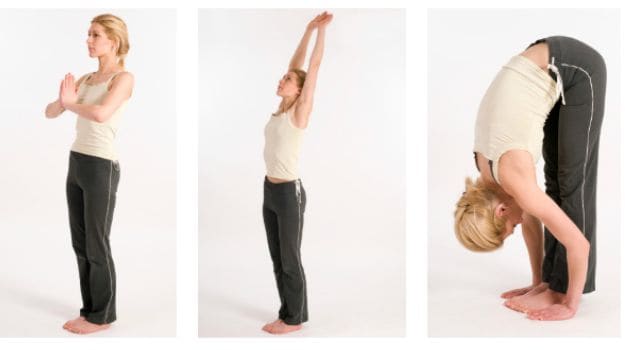
1. Surya Namaskar

One of the basic, most well-known and widely practiced asanas, surya namaskarliterally translates to sun salutation. It comprises a series of twelve different yoga poses that focus on various parts of body. What makes surya namaskar great for the entire body is the fact that it involves twelve different poses encompassed in one - for example, basic prayer pose, forward bend and the bhujangasana (cobra pose).

According to various experts surya namaskar is a great way to keep your body active as it helps in exercising all possible areas of your body. It helps in strengthening your skeletal system including ligaments and also aids in easing stress and anxiety.

2. The warrior pose or Veerabhadrasana

It involves going into the mountain pose, followed by stretching one of your legs back and with the other leg going into a lunge like position with your knee at a ninety degree positioning and your hands stretched right above your head. You can take this further to the veerabhadrasana II or warrior pose 2 wherein you bring your hands in front of the chest and straighten your stretched leg, pointing it outwards while your other leg is still at ninety degrees and your both arms are stretched out wide apart.


The warrior poses work on your legs, thighs, back and arms. It helps in improving blood circulation.


3. Triangular pose or Trikonasana

Start with a wide legged stance; turn your right foot out. Now stretch your arms out, wide open pushing the right side of your waistline over your right leg and slowly go down, facing downwards with a flat back. Keep your right palm on the ground (you can choose to keep it in front of your right foot or behind it) or on a block with your left arm stretched upwards. Repeat the other side.

This asana works on the sides of your body, arms and thighs

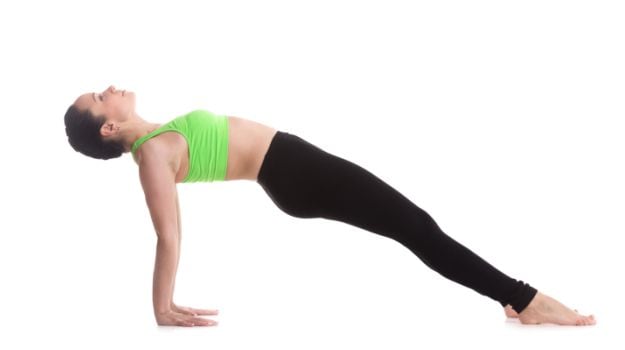
 4. Upward plank or Purvottanasana

This may seem a bit difficult to crack towards the start but the results that this asana yield will leave you much gratified. This works extensively on your back, shoulders, arms, spine, wrists and fortifies muscles. It is also great for the respiratory system. It is great for the core strength of the body as it works on your legs, inner thigh muscles as wells as hips.


Sit with your legs stretched in front of you. Put your hands behind your hips pointing towards your feet. Now, point your feet, prepare your body to rise up. Raise your body from the tailbone and try pulling your head back as well. It is the exact opposite of the position which you get in just before preparing for a conventional push up.(Five Easy Yoga Poses For Common Health Problems)


5. The boat pose: You lie down on your back and as the name suggests go in to a V shaped position resembling a boat. Try holding the position for 10 seconds to begin with and increase the bar with every passing day. You will feel your stomach muscles going for a toss but trust me, this will kill that stubborn belly fat.

6. The bridge pose: You Lie down on your back with your hands stretched sideways now fold your knees, spread them out and raise your body up from your pelvis area. Take support from your hands and hold the position. This works wonders on your hips, thighs, stomach as well as back.


Physical exercise has always been held important for the overall well-being as well as to keep health related troubles at bay but it should always be kept in mind that any form of physical activity will remain futile and unproductive if not teamed with proper diet.(Yoga: Is it Worth it?)
on fresh and organic produce. Keeping a check on spices and processed food consumption is extremely crucial. One should include home-cooked food, fresh fruits and vegetables in one's daily diet. Also, a person should monitor the amount of food consumed in one sitting. Portion controlled eating is encouraged, keeping a strict check on binge-eating.

Source By:http://food.ndtv.com/health/yoga-for-weight-loss-6-ways-to-get-back-in-shape-770131